Image studio
Uncensored AI Image Editor
“Uncensored” is a search term, not a separate model setting or a guarantee that every request is accepted. Use the available prompt, reference and output controls to express an original idea; the service and selected provider still determine which requests are allowed.
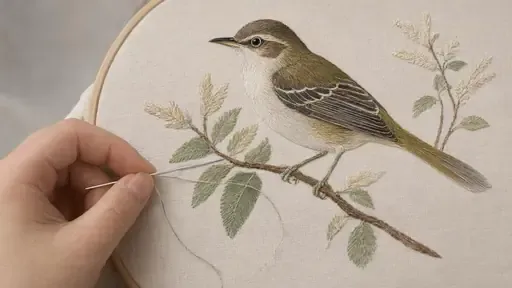
A clearer creative process
More control over your next idea.
Explore the ai image editor workflow, with clear input controls and model-specific limits. Start with one clear intention, then refine the setting, style and output format without losing your place.
Content labels alone do not tell you which prompts a model accepts. Compare actual inputs and policies instead of assuming that every model behaves the same way.
Three steps. Your direction.
A starting point, not a learning curve.
Bring your starting point
Write a brief and select authorized reference media.
Make it your own
Choose a compatible model and review its input limits, ratio and output settings.
Review, then keep creating
Review your inputs and model settings before starting a task. Check the result and refine your brief for the next creation.
Good questions
A few things to know.
What should I know about this search topic?
“Uncensored” is a search term, not a separate model setting or a guarantee that every request is accepted. Use the available prompt, reference and output controls to express an original idea; the service and selected provider still determine which requests are allowed.
What should I prepare for AI Image Editor?
Upload an image you are authorized to edit. Identify the subject and details that should remain recognizable. Review the selected model’s reference requirements and output settings before beginning.
How do I choose a model?
Choose by input compatibility and the controls your project needs. Open the model selector to review reference requirements, supported parameters and the available credit rule. A model name alone does not establish that it fits every task.
What determines the cost?
The selected model and output settings determine the credit requirement. Membership and one-time credit packs have different roles. Review the pricing page and the task quote before deciding what to run.
Can I use the output commercially?
Rights depend on your source material, the selected provider’s terms and how you plan to use the result. Use authorized inputs and review the Terms of Service; a tool page does not grant rights to a person’s likeness, music or third-party property.
Go a little deeper
Notes for your next creation.
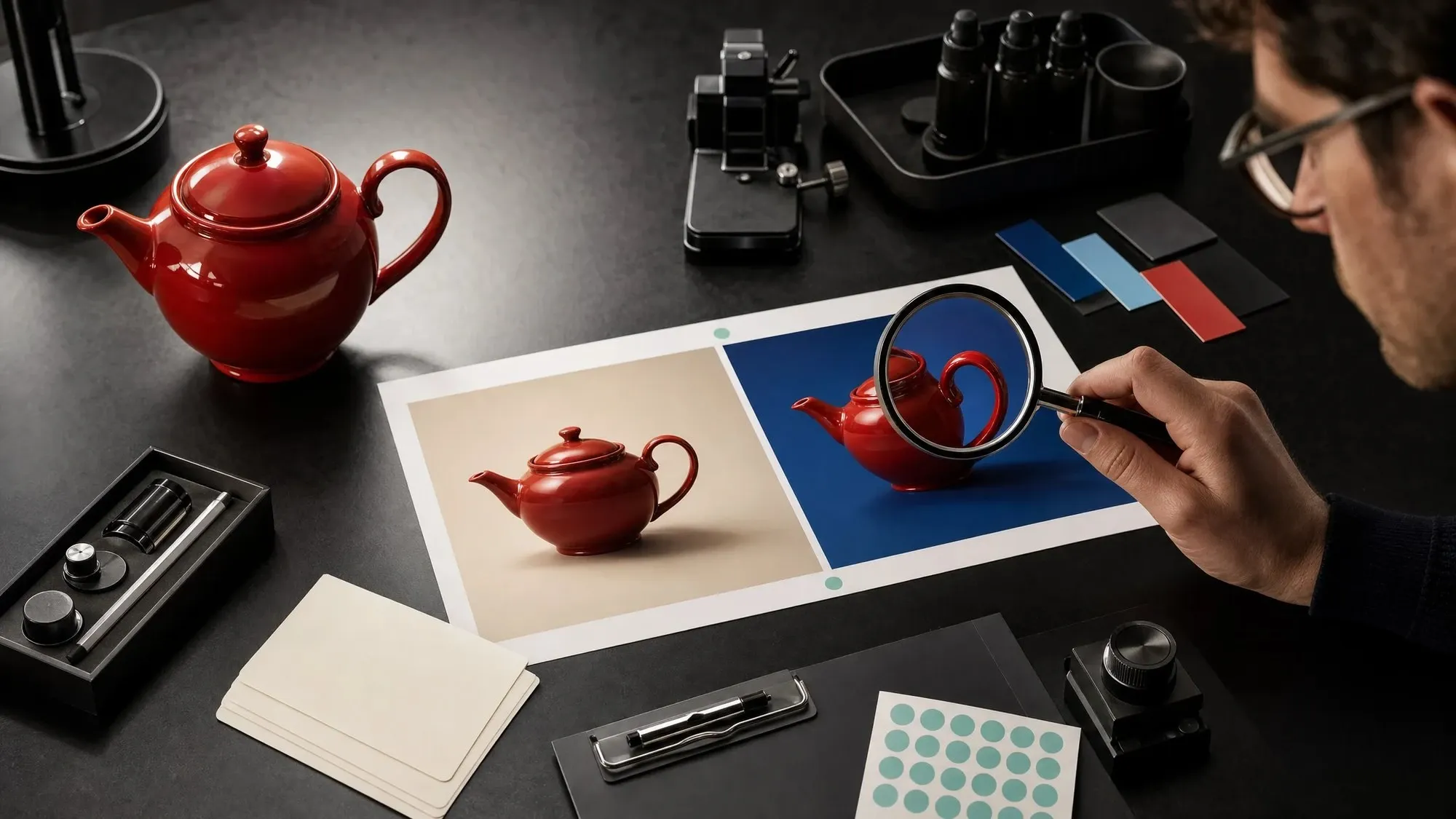
How to evaluate an AI creative workflow
Evaluate input controls, privacy, costs and export behavior with one reproducible test project.
Read story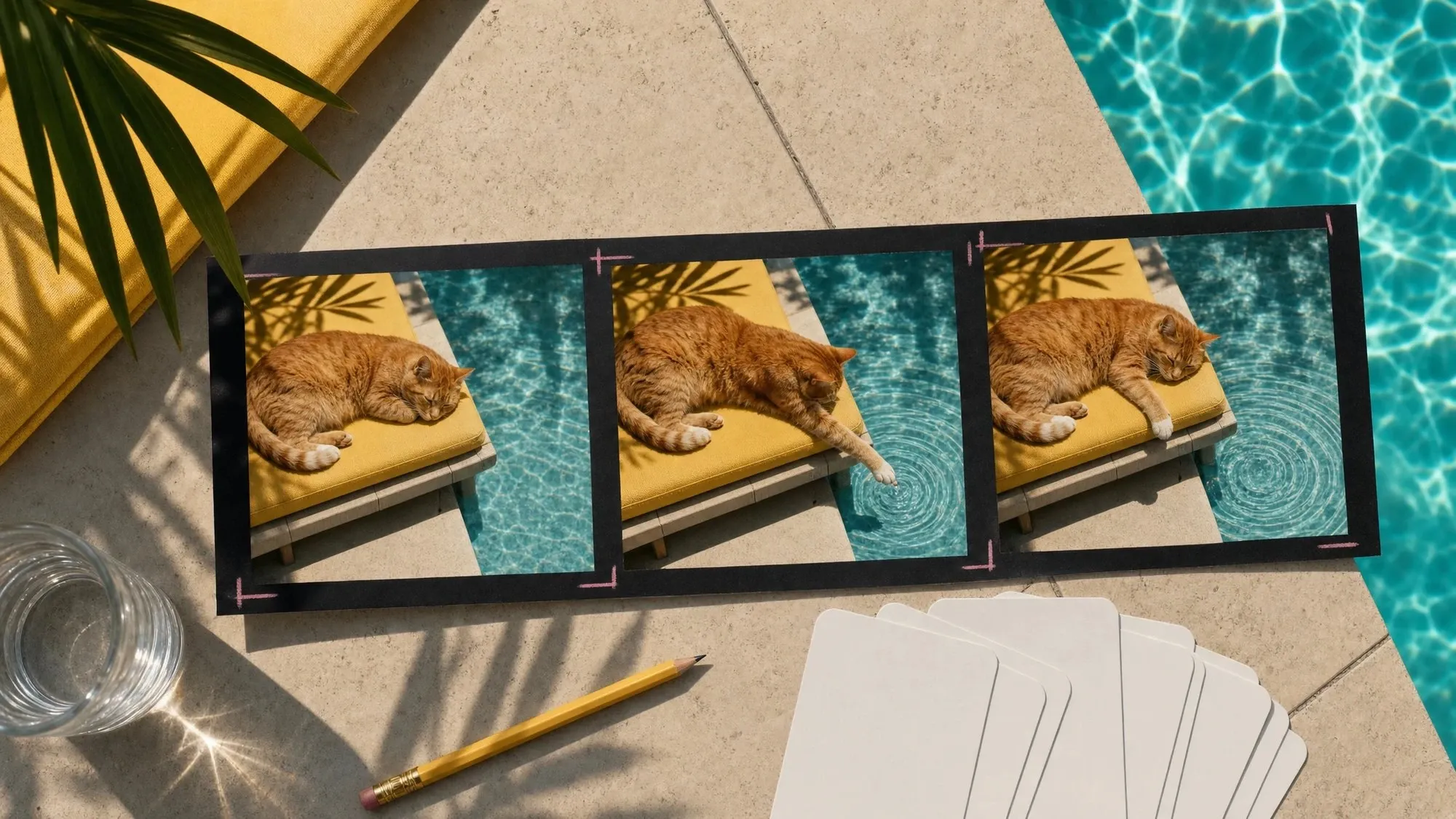
How to turn a still image into a story
A practical shot-planning guide: choose one movement, protect the subject, and give the camera a reason to move.
Read story
Best AI Image Generator for Your Design Brief
Best AI image generator for your brief? Compare four tools by reference controls, export formats, and the revisions you need before choosing a workflow.
Read storyStart with the right material
Upload an image you are authorized to edit. Identify the subject and details that should remain recognizable. Review the selected model’s reference requirements and output settings before beginning.
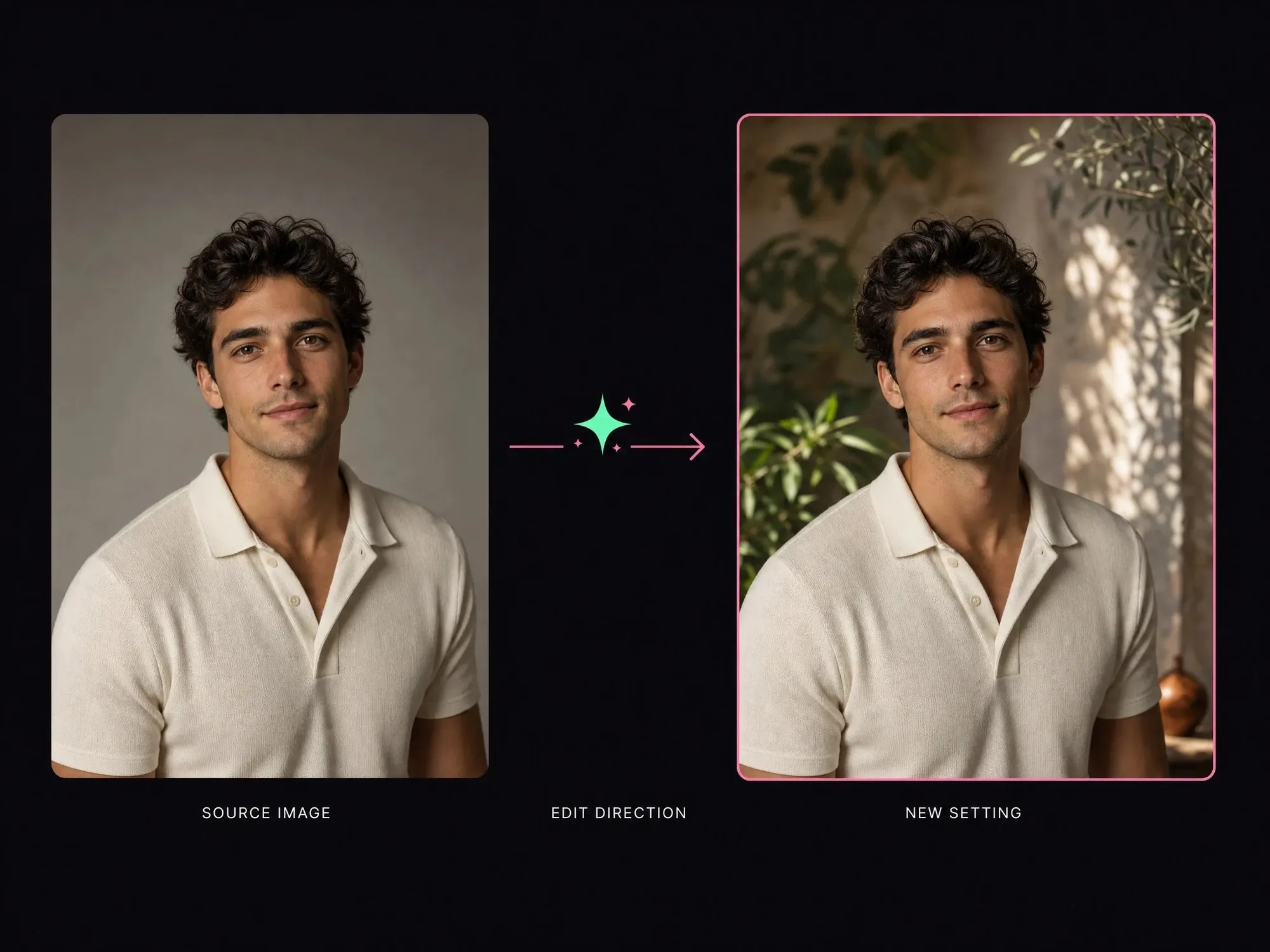
Give the model a useful direction
State the change and the preservation rules together. “Replace the background with a quiet courtyard; keep the person, outfit and camera angle” is easier to evaluate than a broad request to improve everything.
Review the details that matter
Compare the result with the source at full size. Check the requested edit, preserved identity, boundaries and shadows. For production layouts, confirm that the edited image still fits the intended crop.